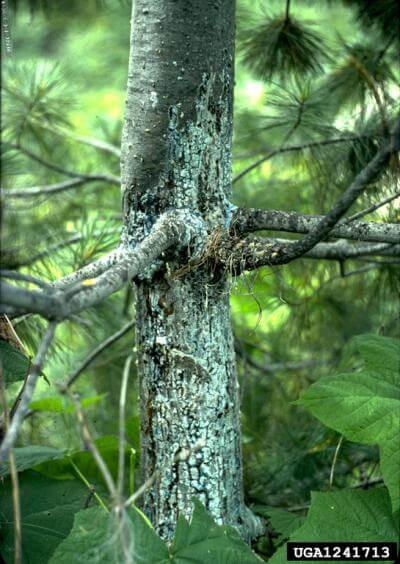
Thousand Canker Disease

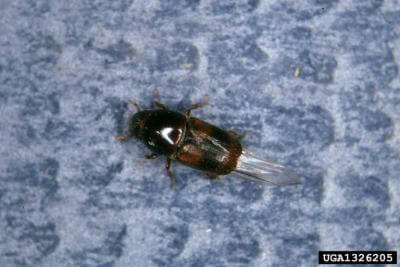
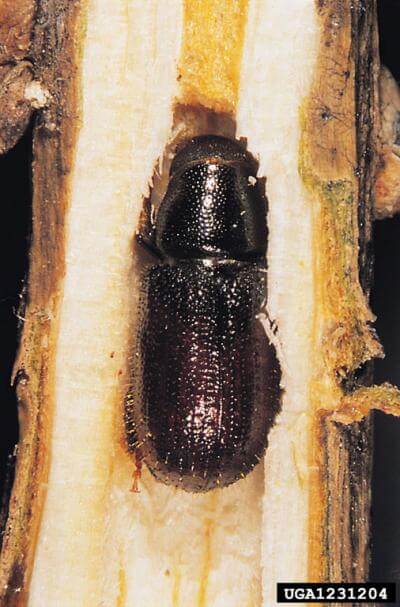
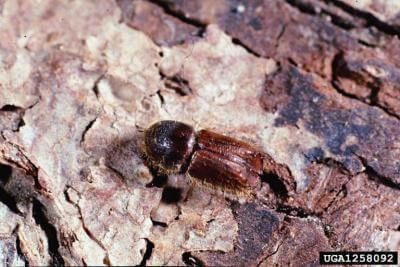
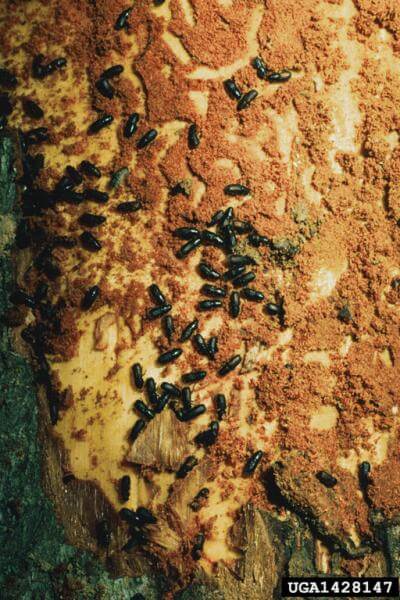
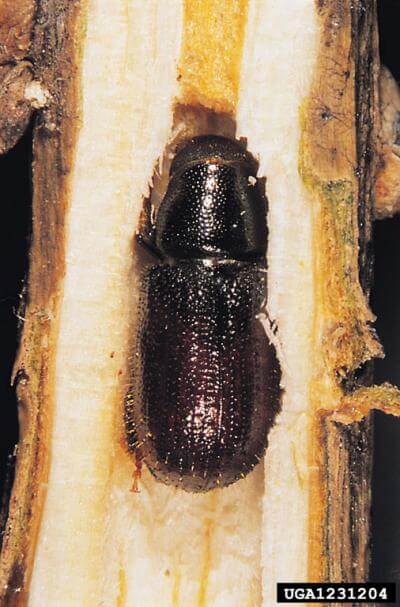
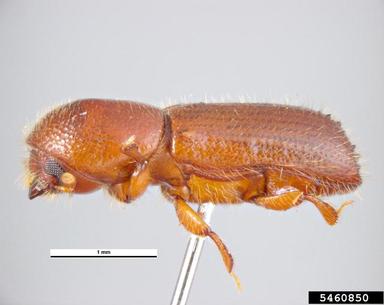
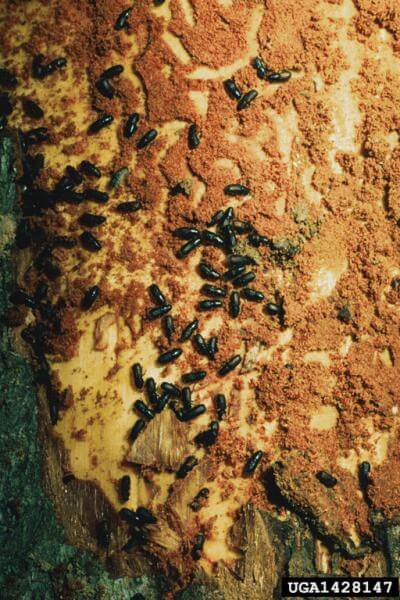
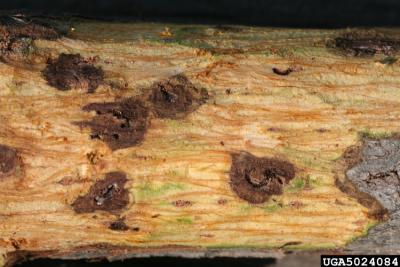
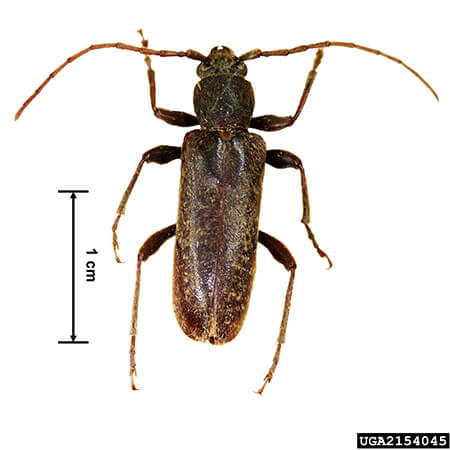
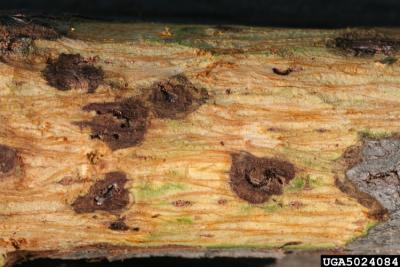
Pityophthorus juglandis and fungus Geosmithia morbida

Last updated by: 
Faith Campbell
  • On June 24, 2011, TCD was found in two black walnut trees in Chesterfield County, Virginia. The Virginia Department of Agriculture and Consumer Services (VDACS) is surveying the area to determine the extent of the infestation. Initial survey work has discovered additional walnut trees infested with TCD in both Chesterfield and Henrico counties (http://www.vdacs.virginia.gov/plant&pest/disease-tcd.shtml) as well as Richmond. VDACS established a temporary quarantine on July 21, 2011; it includes Chesterfield and Henrico Counties and the city of Richmond. The quarantine prohibits the movement of all walnut plants and plant parts, including logs, stumps, firewood, roots, branches, mulch and chips out of the quarantined area. Surveys will continue until early September, when the situation will be re-evaluated.
  • Thousand cankers disease is caused by a previously undescribed fungus that is transported by a twig beetle native to Mexico, parts of Arizona and New Mexico, and possibly California. The disease was recognized by science in 2008, but it had been present in parts of the West since the 1990s.
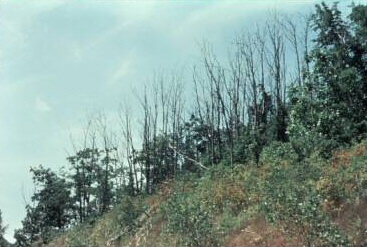
  • To date, thousand cankers disease has caused widespread mortality in eastern black walnut trees planted in the West; and in northern and southern California black walnuts.
  • Thousand cankers disease has been detected in 3 eastern states: Tennessee, Virginia, and Pennsylvania. As of September 2012, the outbreak was known to include 6 Tennessee counties, 1 Pennsylvania county, and in Virginia, 7 counties and 6 municipalities. The most recently detected outbreak was in the Virginia suburbs of Washington, D.C.
  • As of September 2012, the following states have enacted quarantines on movement of walnut wood in an effort to prevent introduction or spread of the disease: Missouri, Kansas, Michigan, Nebraska, Oklahoma, Indiana, Minnesota, North Carolina, Pennsylvania, Tennessee, Virginia, and Wisconsin. Ohio has proposed a quarantine.

Black walnut (Juglans nigra) is native to much of the eastern deciduous forest. It produces wood prized for woodworking and furniture-making, and provides valuable hard mast (nuts) for wildlife.

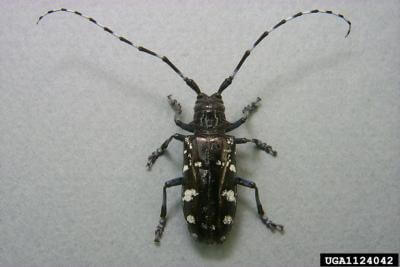
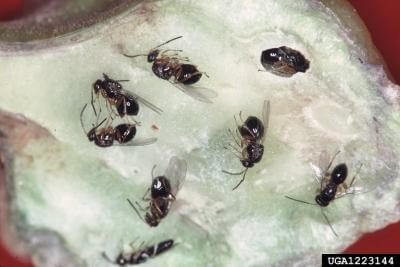
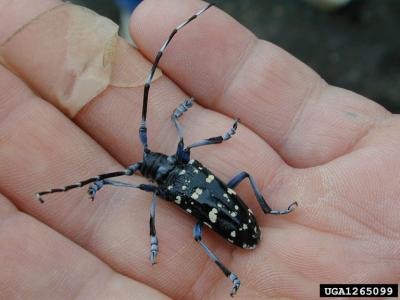
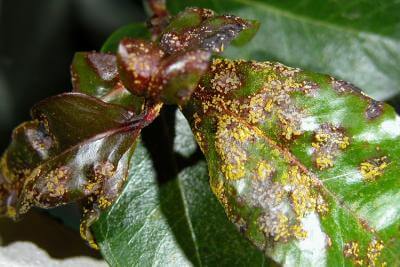
In recent years, a disease complex has killed many black walnuts planted outside the species' natural range, in urban areas of the Rocky Mountain and Pacific states. The disease is caused by a previously unknown fungus Geosmithia morbida that is carried from tree to tree by a walnut twig beetle (Pityophthorus juglandis) (Tisserat 2009). This beetle is native to the Southwestern United States and neighboring Mexico, where it feeds on twigs of Arizona walnut (J. major). The origin of the fungus is unknown, although it appears to be associated with the beetle in Arizona and other places (Tisserat 2009; Cranshaw 2009)

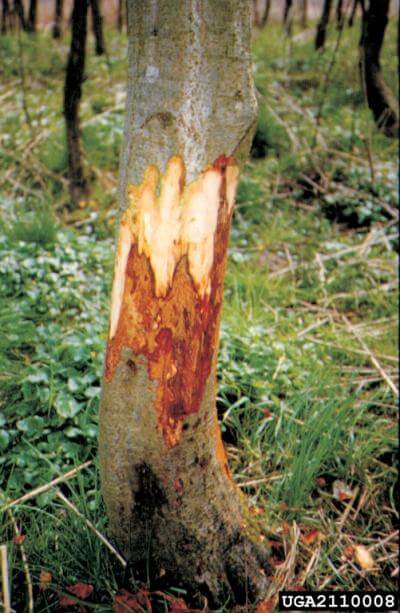
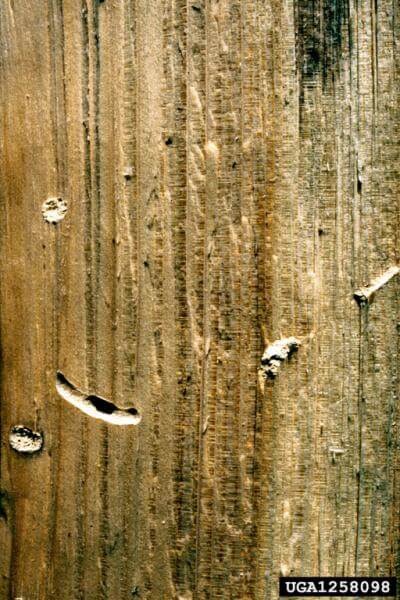
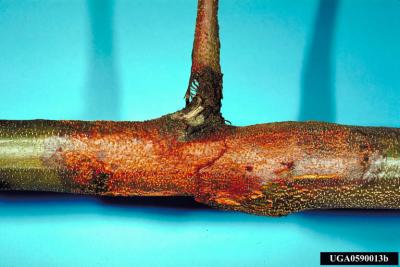
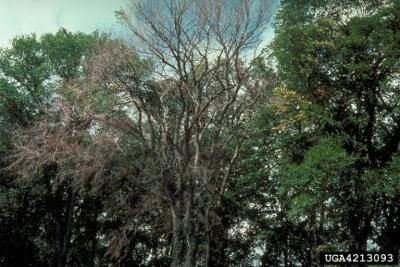
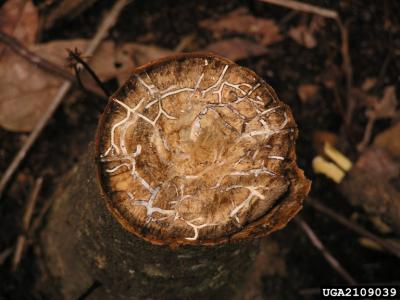
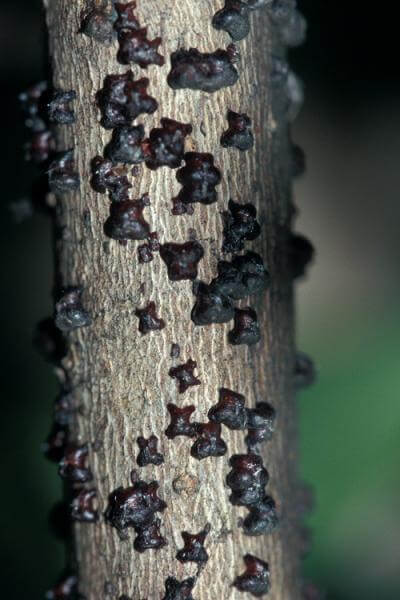
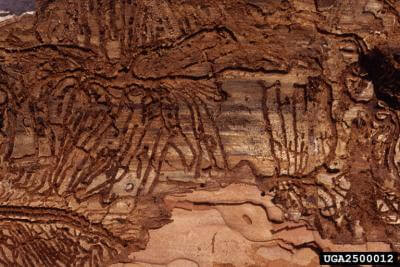
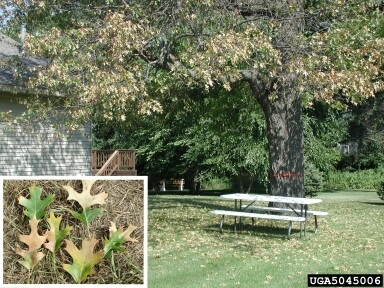
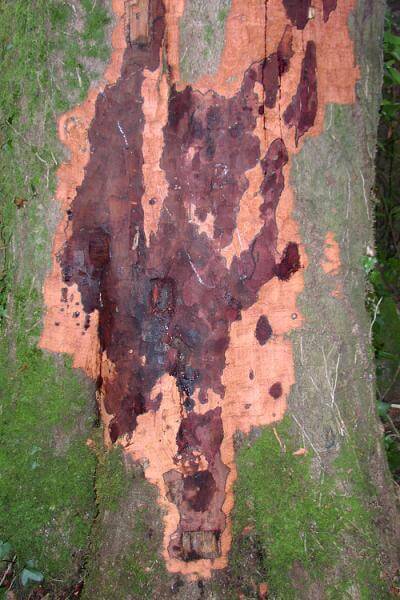
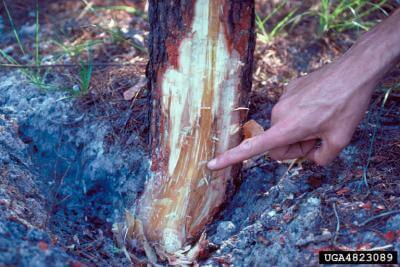
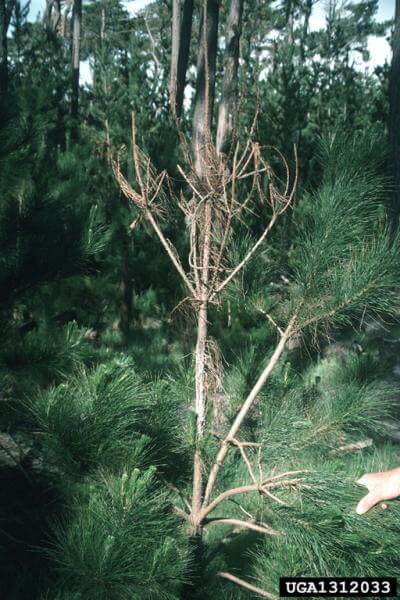
The disease kills black walnut trees slowly – perhaps 10 years after the initial attack. Small cankers form at the site of each beetle attack; the damage is caused by the cumulative effect of thousands of such cankers which develop around the individual sites of beetle attack. Insects reach such numbers that the numerous small cankers eventually coalesce and cut off the flow of nutrients (Tisserat 2009). While death is slow, symptoms appear only at late stages – when it is already too late to save either that tree or nearby trees (Cranshaw 2009).

J. nigra is much more susceptible than other species in the genus tested so far (Tisserat 2009). As to butternut (J. cinera), the Geosmithia fungus has caused canker formation following artificial inoculations, but not of the same magnitude as those on black walnut. It isn't known whether butternut is a host of the walnut twig beetle (Tisserat pers. comm. February 2010).

Recent studies have found that the insect is widespread in California, where it has been present since at least the 1950s (Seybold 2009). Two walnuts native to California – Northern and Southern California black walnut (J. hindsii and J. californica) are also being killed, especially the southern species (Seybold 2009).

In Oregon, the beetle has been present since at least the early 1990s; the disease is killing black walnuts planted there (Pscheidt 2009).

The beetle is now present in most western states.

Black walnut has significant economic value.

Although most walnuts sold in the U.S. for human consumption are from orchards of English or Persian walnuts (J. regia), there is a thriving niche market for native black walnuts centered on Missouri. Hammons Products Company of Stockton, Missouri reports that 25-30 million pounds are harvested every year (Hammons 2009). While 65% of the nuts are collected in Missouri, some collecting occurs in 14 other states (Hammons 2009). This translates into 1.5 – 2 million pounds of nutmeat for food and 15-20 million pounds of shells for industrial uses such as polishing metal, cleaning oil drilling equipment, even as skin cleansers (Hammons 2009). In Missouri, the nuts alone have a net present value of $220 million (Van Sambeek 2009). Processing the nuts provides 80 – 120 jobs at the Hammons plant; thousands of others across the species’ range earn extra income by collecting the nuts (Hammons 2009).

Black walnut’s greatest economic value comes from the wood. Top grade walnut (an estimated 12% of supplies) is used for millwork and veneer; it is also exported. Medium grade wood is used in furniture, cabinetry, flooring, and other manufactured items; this makes up an estimated 50% of the wood harvested. Lower grade walnut is used as sleepers (railroad ties), mine timbers, pallet parts and flooring. This is an estimated 38% of the total walnut wood (USDA APHIS 2009).

Considering the tree’s entire native range, net volume of black walnut growing stock on timber land in 2002 was estimated at more than 3.4 billion cubic feet with a value greater than $500 billion (USDA APHIS 2009).

More details are available for Missouri. Van Sambeek (2009) calculated that if Missouri walnuts succumb to the disease over a 20 year period, the net present value of the lost wood would be $225 million (not accounting for the growth that would normally continue during a 20-year period). When he added in the value of the nuts ($220 million) and the cost of removing and replacing 40,000 urban trees ($56 million), the total net present value is $500 million in Missouri alone. Included in this calculation are the wages of 210 timber jobs and 600 nut-related jobs cycling through the economy.

It is extremely difficult to detect the tiny beetle. Scientists are working on traps and possible baits - there is evidence that the insects use pheromones to find mates (Seybold 2010) which increases the probability that a successful bate can be developed.

Concerned scientists, state officials, conservationists, and those with an economic stake in the tree’s wood or nuts hope to organize effective measures to prevent the insect’s further spread into the native range of black walnut. These measures could include federal efforts (if USDA APHIS is willing to regulate a species that is native to a corner of the Nation), state regulations, and voluntary actions by wood products companies and Web-based and other fora that advertise availability of walnut wood for various purposes.

The principle pathway by which the beetle could spread through the eastern forests would be movement of wood in various forms. Even small logs can harbor huge numbers of beetles; one study found 23,040 beetles in 2 logs 18 inches long by 5 ½ inches in diameter (Cranshaw 2009). The beetles apparently can survive for a significant period in such logs - studies are under way to determine how long (Cranshaw 2009; Tisserat 2009).

According to data collected by USDA APHIS (Phister 2009), walnut could be moved as veneer logs, sawlogs, burls, stumps, even firewood. Sawmills usually obtain their wood from less than 300 miles away.

Burls and graft unions from older orchard trees (called “claro walnut”) have interesting patterns – this wood has been shipped long distances to veneer mills and individual woodworkers. There is great concern about individuals either selling wood from trees that died or sending wood pieces to friends who are woodworkers (Alexander 2009; Cranshaw 2009). A search of eBay in November 2009 turned up approximately 500 listings of walnut lumber, logs, or blanks for woodturning and carving. While most were from states in the species’ natural range, some were from Oregon, where the disease is present (Volkman pers. comm.. February 2010). The author’s search of the “Woodfinders” website in late November 2009 turned up 26 suppliers of “claro walnut”, including six from California, four from Oregon, and one from Colorado – all states where the disease is present.

Pfister (2009) and Pscheidt (2009) confirm that walnut is used for firewood – especially the branches that are too thin for use as lumber. APHIS is working with states to develop a national strategy for managing the risks from multiple pests to many native trees associated with firewood movement. The agency expects to release the recommendations by March 2010 (Pfister 2009).

There is the potential that thousand cankers disease could be spread through movement of wood packaging (crates and pallets) – especially packing from Mexico but possibly also from western American states (Pfister 2009). While wood packaging from Mexico is required to be treated (Pfister 2009), it is not known for certain that the required temperature of 56 degrees C for 30 minutes will kill Pityophthorus. There are also ongoing issues of fraud or poor application of the treatments. Mexican wood packaging is relatively frequently found to be infested by insects despite the treatment requirement (Nilakhe 2009).

APHIS has begun considering whether to regulate wood packaging in domestic use. The agency invited public comment on this idea in fall 2009. The suggestion proved to be contentious. Click here to read the ANPR & comments.

To prevent movement of the insect to the native range of black walnut, Cranshaw (2009) recommended immediate quarantine on wood from all Juglans species originating West of the 100th Meridian supported by a strong public education campaign targeting woodworkers, professional tree-care companies and their associations, and purveyors of firewood and “smoker wood”. These recommendations were widely supported by many of the approximately 150 participants in a meeting sponsored by the State of Missouri in November 2009, but they have not yet been implemented.

In the meantime, the state of Missouri is consulting with its neighbors about coordinated regulations. In addition, a USDA Forest Service scientist is drafting a strategic plan for managing the disease.

The beetle might cross the Great Plains by flying from walnut tree to walnut tree. The range of J. microcarpa reaches across Texas to the East. To date no-one has detected the walnut twig beetle or disease on this species (Tisserat 2009; Cranshaw 2009). Another possible bridge is the black walnuts planted in towns in the Great Plains or growing along the Platte and Arkansas river corridors. Colorado has mapped every black walnut in the state’s towns in the Great Plains (Tisserat 2009; Cranshaw 2009).


Sources

Alexander, K. 2009. Thousand Cankers of Black Walnut National Conference. St. Louis, MO November 2009.

Cranshaw, W. 2009. Thousand Cankers of Black Walnut National Conference. St. Louis, MO November 2009.

Hammons, B. 2009. Thousand Cankers of Black Walnut National Conference. St. Louis, MO November 2009.

Nilakhe, S. 2009. Continental Dialogue on Non-Native Forest Insects and Disease. Annual Meeting. October 2009.

Pfister, S. 2009. Thousand Cankers of Black Walnut National Conference. St. Louis, MO November 2009.

Pscheidt, J. 2009. Thousand Cankers of Black Walnut National Conference. St. Louis, MO November 2009.

Seybold, S. 2009. Thousand Cankers of Black Walnut National Conference. St. Louis, MO November 2009.

Seybold, S. 2010. Walnut Twig Beetle: Update on the biology and chemical ecology of a vector of an invasive fatal disease of walnut in the western U.S. 21st USDA Interagency Research Forum on Invasive Species. Annapolis, MD. January 12-15, 2010.

Tisserat, N. 2009. Thousand Cankers of Black Walnut National Conference. St. Louis, MO November 2009.

Van Sambeek, J. 2009. Thousand Cankers of Black Walnut National Conference. St. Louis, MO November 2009.

USDA APHIS Pathway Assessment: Geosmithia sp. and Pityophthorus juglandis Blackman movement from the western into the eastern US (author K.K. Garvey, Colorado State University)