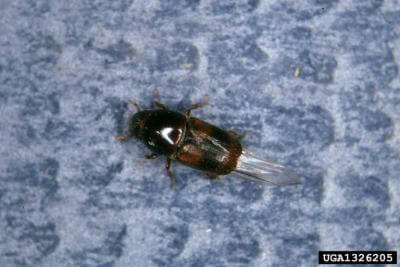
Goldspotted oak borer

Agrilus auroguttatus (formerly coxalis)

Waterhouse

Last updated by: 
Faith Campbell

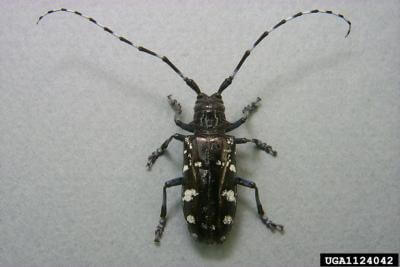
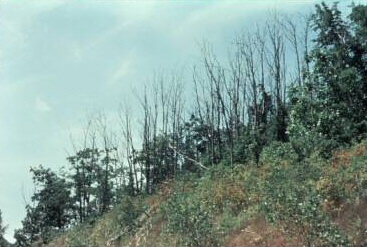
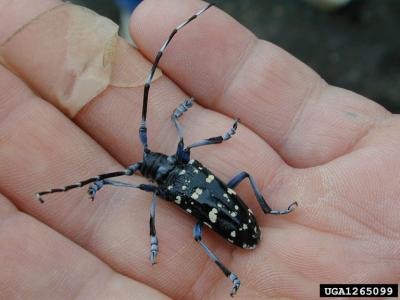
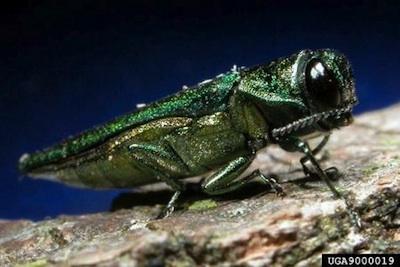
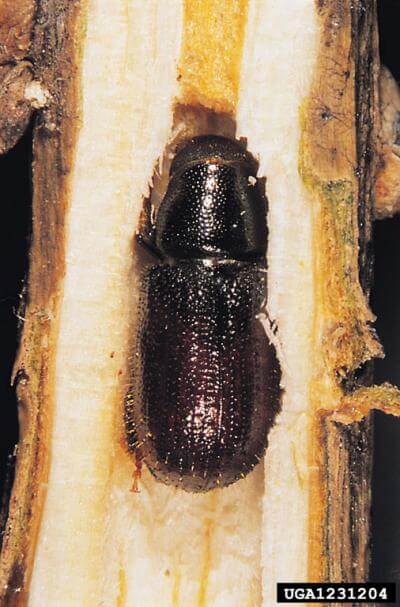
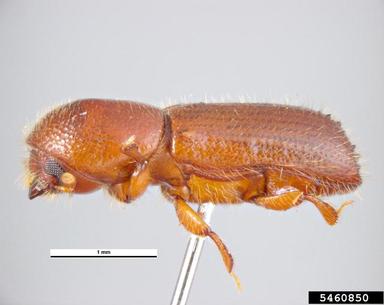
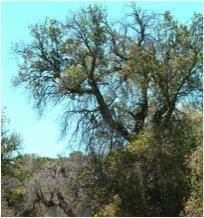
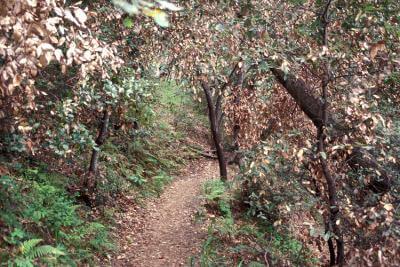
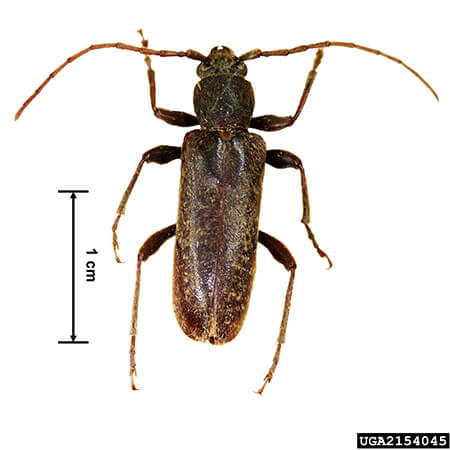
Three species of oaks native to southern California - coast live oak (Quercus agrifolia), California black oak (Q. kelloggii), and canyon live oak (Q. chrysolepis) – appear to be threatened by a beetle native to southeastern Arizona, Mexico, and Guatemala - the goldspotted oak borer (GSOB) (Agrilus auroguttatus). Oak decline has been evident in eastern San Diego County since 2002 USFS PSW S&P R5-RP-022 Oct 28, 2008). An investigation of this decline by Forest Service entomologist Tom Coleman in May 2008 led to determination of the beetle as the causal agent. California Department of Food and Agriculture survey records indicate that the insect was first detected in California in 2004 (USFS PSW S&P R5-RP-022 Oct 28, 2008), but its impact was not then understood.

The outbreak began in the Cleveland National Forest and Cuyamaca Rancho State Park in eastern San Diego County. It is likely that GSOB was introduced to the areas on firewood brought into the area from Arizona or Mexico since these are heavily visited recreational areas which include campgrounds (Coleman & Seybold. 2008. Pan-Pacific Entomologist 84: 288-300) and there are anecdotal reports of oak firewood brought into the region from Mexico for 20 years (Coleman & Seybold. 2009. SOD symposium abstract).

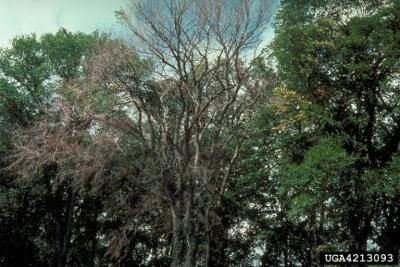
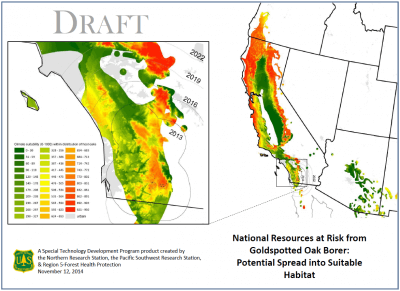
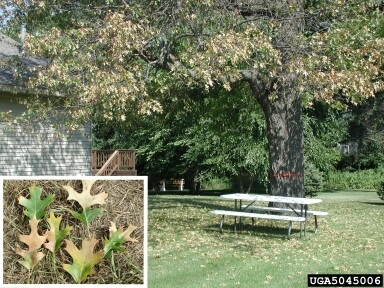
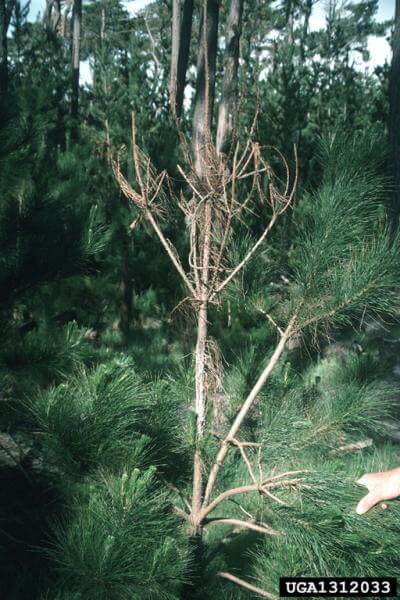
At least 21,000 trees had been killed by 2010 (Coleman and Seybold, Entomological Society of America Annual Meeting, December 2010), with oak tree mortality levels reaching greater than 10%. As many as 70% of the oak trees (and 80% of the large oak trees) in affected areas are infested (Coleman & Seybold. 2008. Pan-Pacific Entomologist 84: 288-300) and will probably die. GSOB has the potential to spread further north in California and cause similar mortality to these species in other parts of their ranges (Coleman & Seybold. 2009. SOD symposium abstract).

GSOB is particularly damaging in California because there are very few other insects that attack the phloem of the main stem of oaks, so these oaks lack any evolved host resistance to such attacks. The only natural enemies of the GSOB are woodpeckers.

The affected part of San Diego County is separated from both Arizonan and Mexican populations of the insect by hundreds of miles of desert with almost no oak trees present (Thomas Scott, Entomological Society of American Annual Meeting, December 2010). Furthermore, the insect/tree interactions differ substantially between the native range of the insect and the California range (Coleman, Entomological Society of America Annual Meeting December 2010). Finally, mortality of oaks attacked by the insect does not conform to patterns associated with drought (Scott, Entomological Society of American Annual Meeting December 2010).

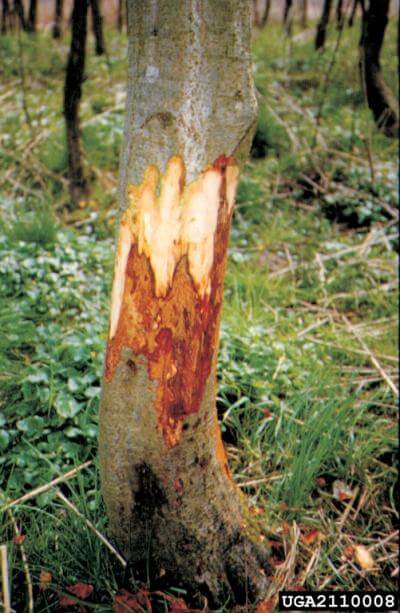
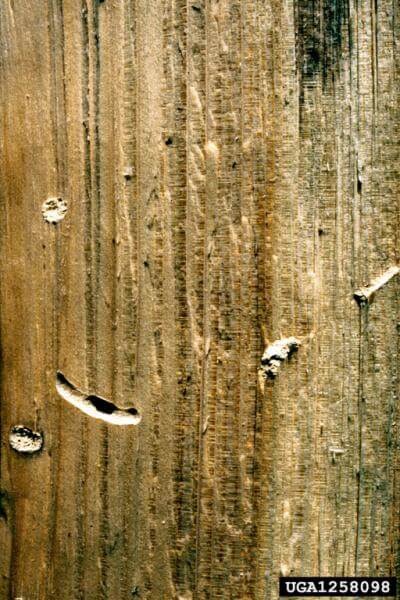
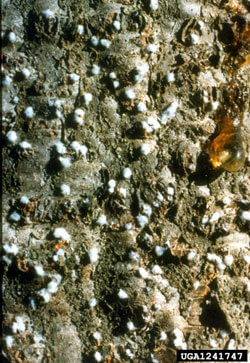
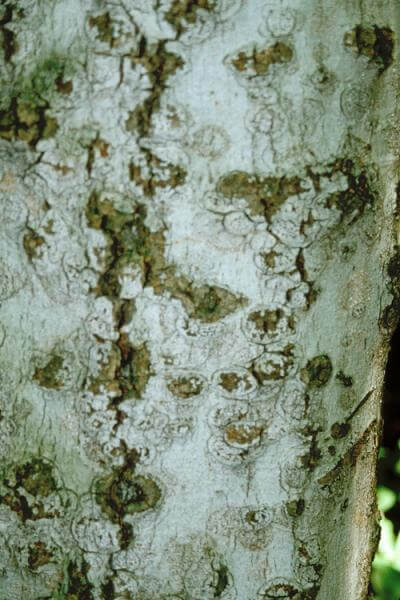
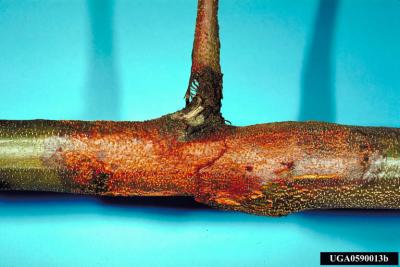
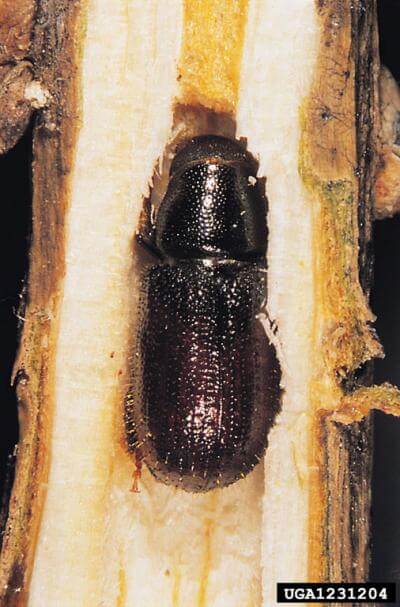
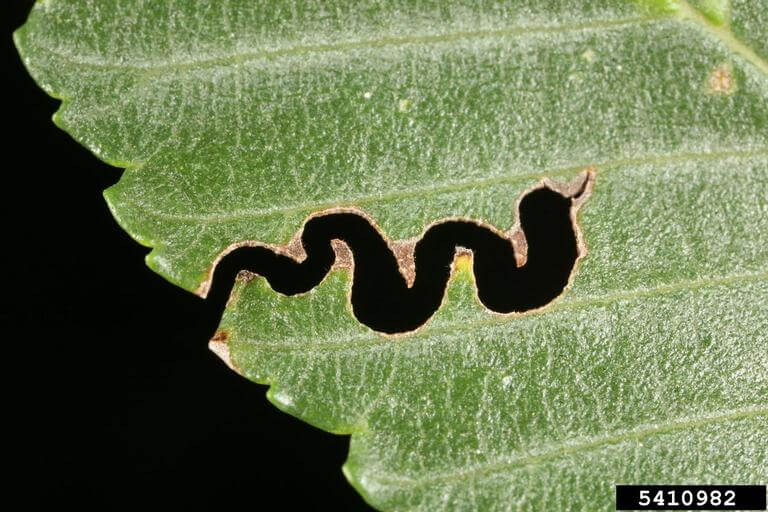
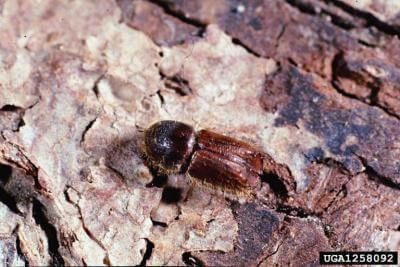
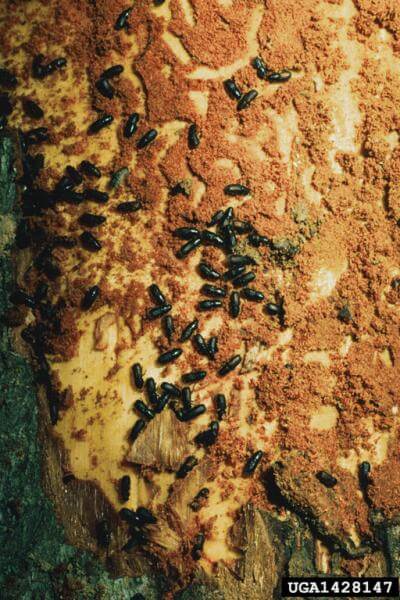
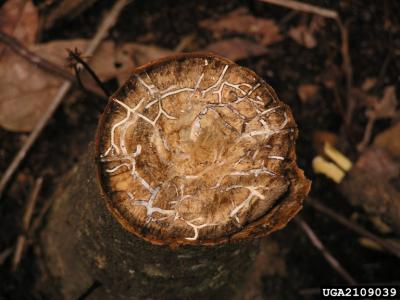
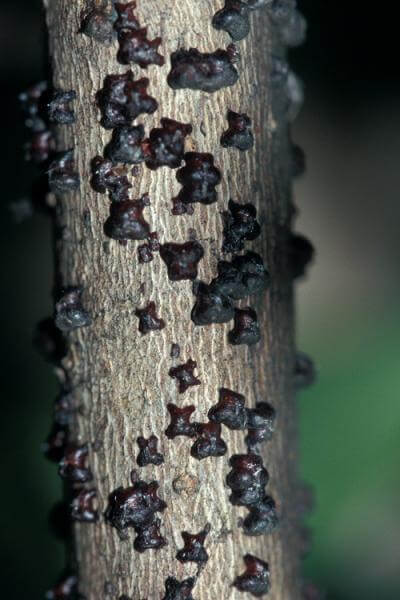
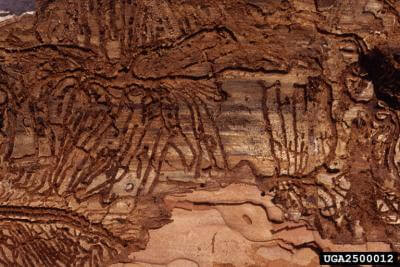
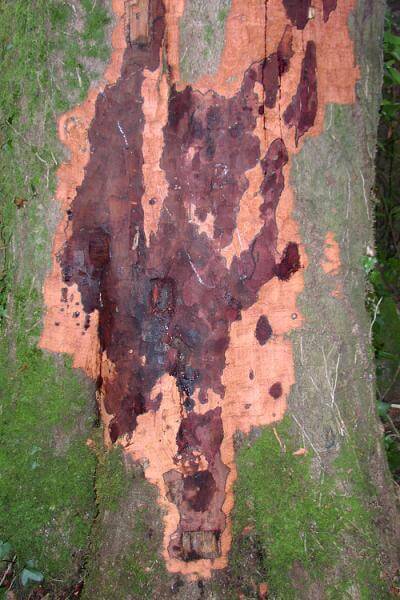
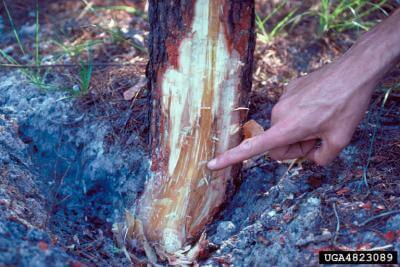
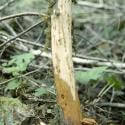
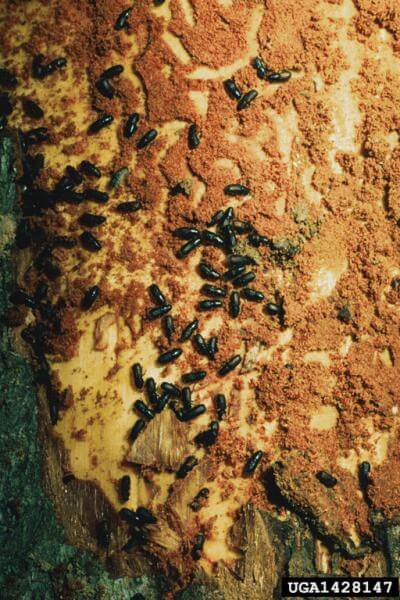
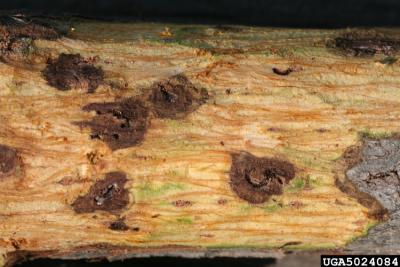
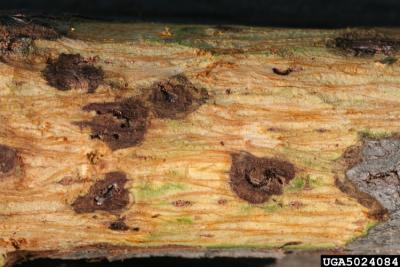
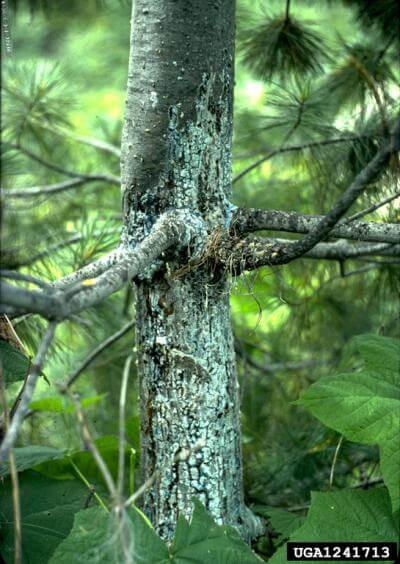
Evidence of insect attacks on oak trees includes the presence of the beetle larvae under the bark, D-shaped exit holes through the bark surface, woodpecker foraging, and bark staining on the trunk of the tree and larger branches. Unlike its relative, the emerald ash borer, GSOB larvae attack the bole from the base of the tree as well as upward to approximately 9 m along the main stem and larger branches (Coleman & Seybold. 2008. Pan-Pacific Entomologist 84: 288-300).

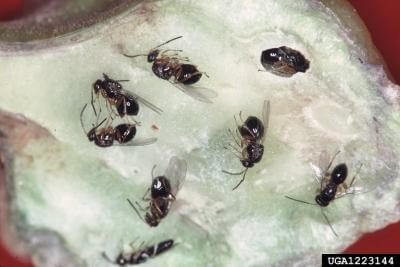
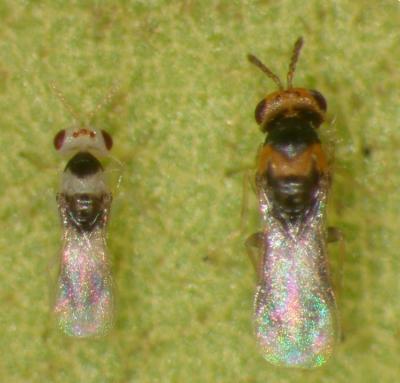
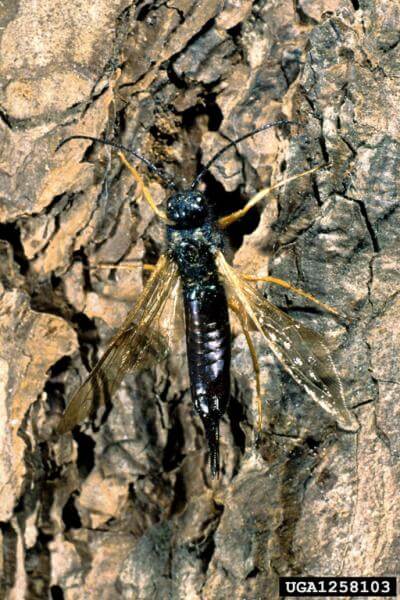
Little is known about GSOB in its native range. Coleman and Seybold visited southeastern Arizona, where they found exit holes, staining, and some dead trees. Preliminary observations from these scientists in Arizona and California suggest that GSOB may confine its attacks to red oak species (subgenus Erythrobalanus). They hypothesize that phloem thickness, bark structure, and host chemistry may influence susceptibility to GSOB. They also found some parasitic wasps attacking GSOB larvae, and plan to identify these natural enemies and initiate a biocontrol program in California (Coleman & Seybold. 2009. SOD symposium abstract).

Widespread oak mortality can impact wildlife through loss of a food source and habitat. Dead oaks can create potential hazards, especially near dwellings, along roadways, and in recreational areas. Oak mortality also represents a significant change in fuel load structure and composition across the landscape, which can increase the probability and severity of wildfire (USFS PSW S&P R5-RP-022 Oct 28, 2008). Urban trees provide important ecological services, including shade which reduces energy use and expense associated with air conditioning; and storm water runoff reduction ( Zeleznik 2008).

To slow spread of GSOB to vulnerable oaks farther North, a consortium has been formed (http://groups.ucanr.org/GSOB) which aims at informing citizens. Part of the message urges people not to transport oak firewood or logs and to remove dead or recently dying oaks with heavy infestations to limit localized growth of the beetle population. Other management efforts include an expanded survey program in California, search for potential attractants for GSOB to increase survey efficacy, and investigation of the areawide impact of the beetle and the effect of drought on the success of GSOB in southern California.

As of November 2010, no one has studied whether oaks in other parts of North America are vulnerable to the gold-spotted oak borer.


SOURCES


Coleman, Thomas W. and Steven J. Seybold. 2008. Previously unrecorded damage to oak, Quercus, in southern California by the goldspotted oak borer, Agrilus coxalis Waterhouse (Coleoptera: Buprestidae). Pan-Pacific Entomologist 84: 288-300

Coleman, Thomas W. and Steven J. Seybold. 2009. Tree Mortality from the Goldspotted Oak Borer in Oak Woodlands of Southern California. In Frankel et al. Fourth Sudden Oak Death Science Symposium June 09 Meeting Abstracts

USDA Forest Service Pacific Southwest State & Private Forestry R5-RP-022 Oct 28, 2008


Zeleznik, Joe. 2008. Economic impact of emerald ash borer on North Dakota communities. CityScan 2008